ACTIVATING PILLARS IN OUR COMMUNITIES
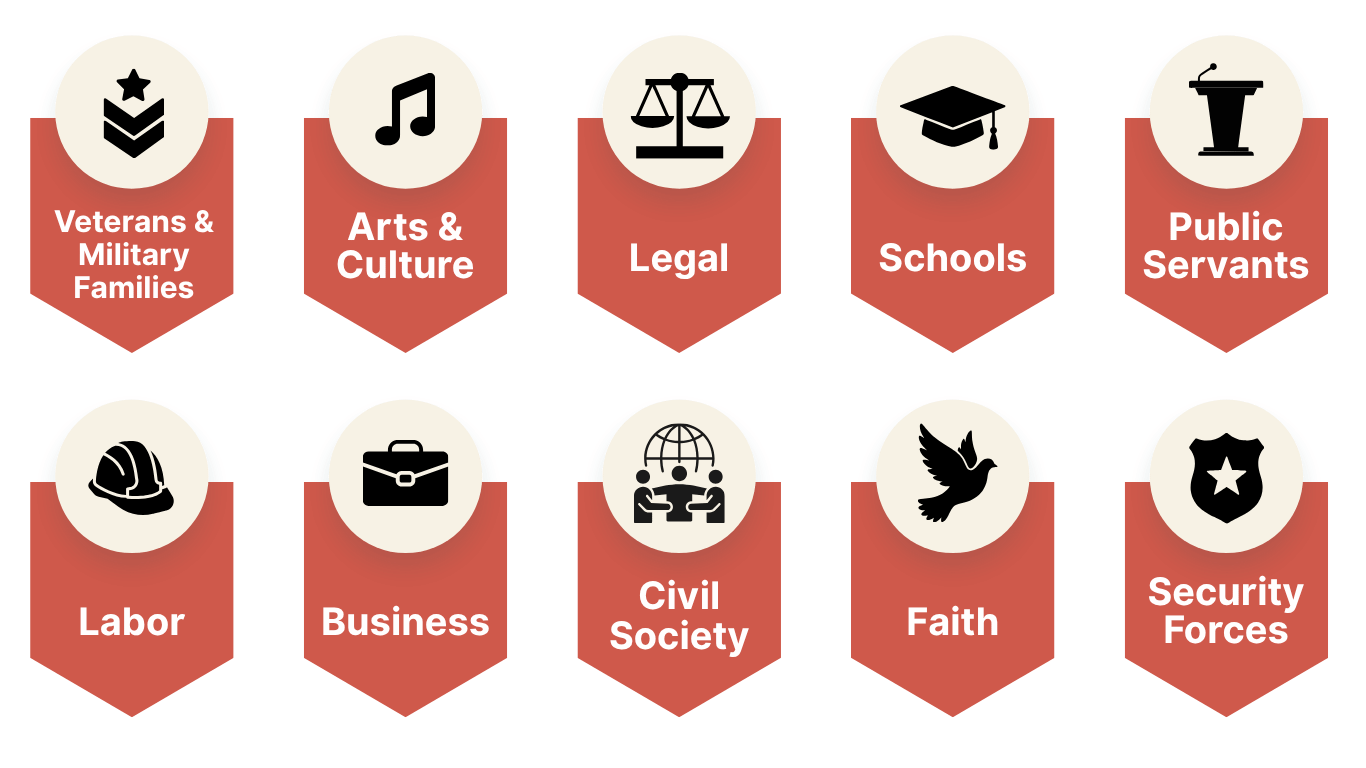
All political systems, including authoritarian regimes, rely on the allegiance of key organizations and institutions, or ‘pillars of support’ to remain in power. These pillars can include courts, civil society, media, business, faith communities, schools, unions, and veterans and military families, among others. Each pillar plays a part in supporting society to function, but authoritarians must depend on the pillars far more heavily because they concentrate power and replace consent with obedience. When these pillars withdraw their moral and material resources, authoritarian regimes lose their power.
Pillars can activate these same resources in support of democracy. Democracy spreads power across these pillars because it is built on a collaborative system that draws its legitimacy from the consent of the people. Common Courage is about inviting pillars of support into communities and movements that uphold democracy.
What does it mean to activate Common Courage?
Activations can be small. Some activations are big, public defections: a Trump administration official quits their job rather than follow illegal orders, or a CEO speaks out against the National Guard’s occupation of the city his company is based in. But most activations are quieter, smaller shifts, which, at the right time, can spark a cascade.
Activations don’t require people to abandon their group or identity. Many activations involve making change from within one’s pillar: a person organizing their coworkers or fellow business owners to speak out together, or a federal worker quietly defying illegal orders instead of resigning. (Source)
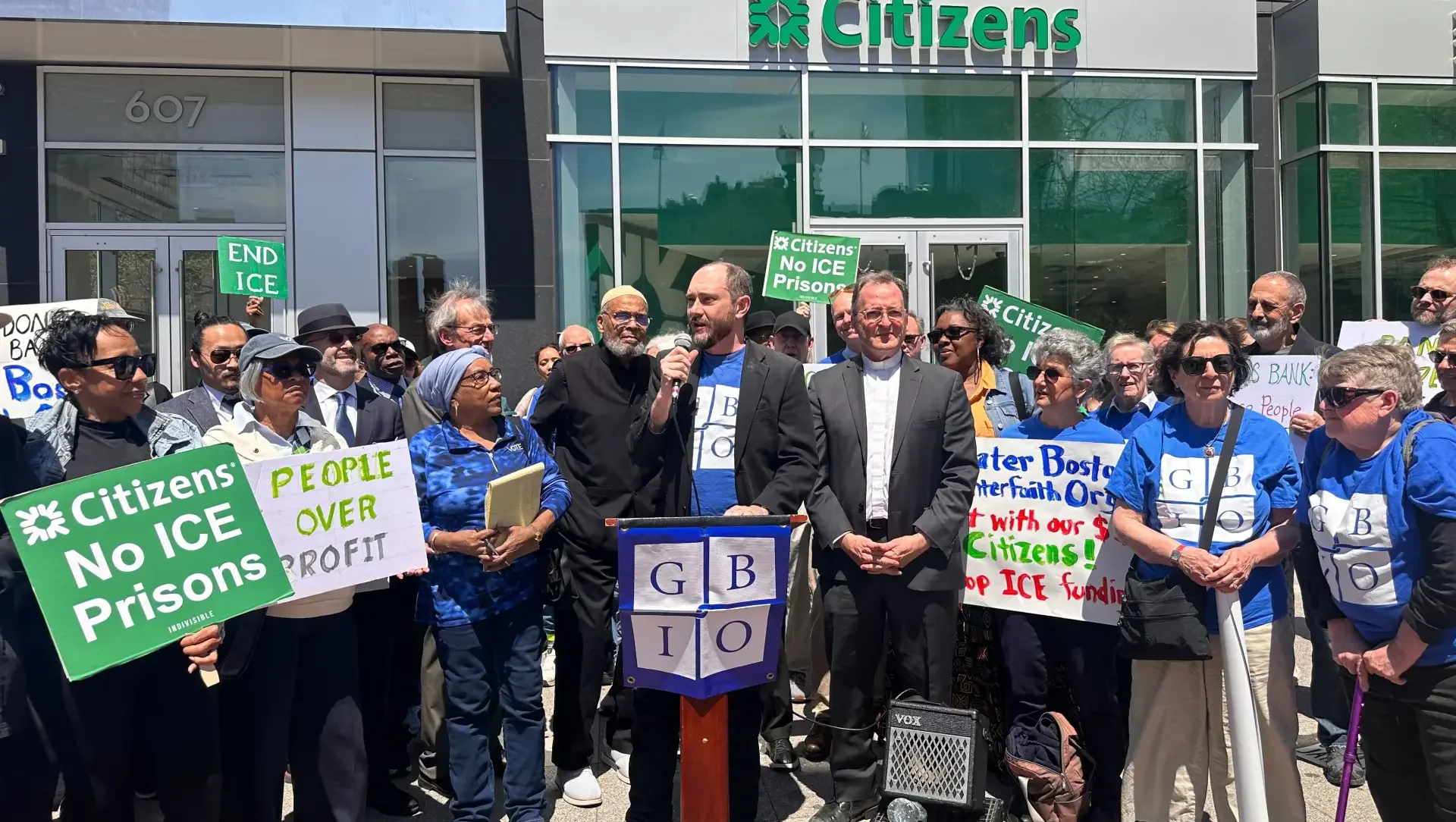
Activations don’t have to look like protests. Each pillar has unique superpowers: protest is part of making mass change but it is not always the most strategic option (Source).
Activations are contagious. People don’t act alone - they learn what is acceptable in relationship with others (Source). Collective action distributes risk and raises the costs of government abuses. Read an example here.
Activations aren’t always public. Public acts of courage are powerful - they inspire others to join us. We should celebrate public activations as much as we can because doing so signals to others what’s possible and what reaction they might get when they take courageous action.When Minnesota GOP candidate Chris Mandel denounced the Trump administration’s immigration enforcement tactics and ended his political campaign (Source) he credited his daughters saying “at the end of the day, I have to look my daughters in the eye and tell them, ‘I believe I did what was right,’ and I am doing that today.” There are always more people (bureaucrats defying illegal orders, or evangelical leaders actively supporting communities facing state violence) acting courageously than we find in the headlines (Source).
What Are the Barriers to Courage?

Self Interest
Will I be safe if I speak out? Will I lose my job, my house, or my career?
Values
Am I acting in alignment with my political, moral, and spiritual beliefs?
Social Norms
Will I be alone if I speak out? Will I lose friends?
The Potential Costs of Authoritarianism
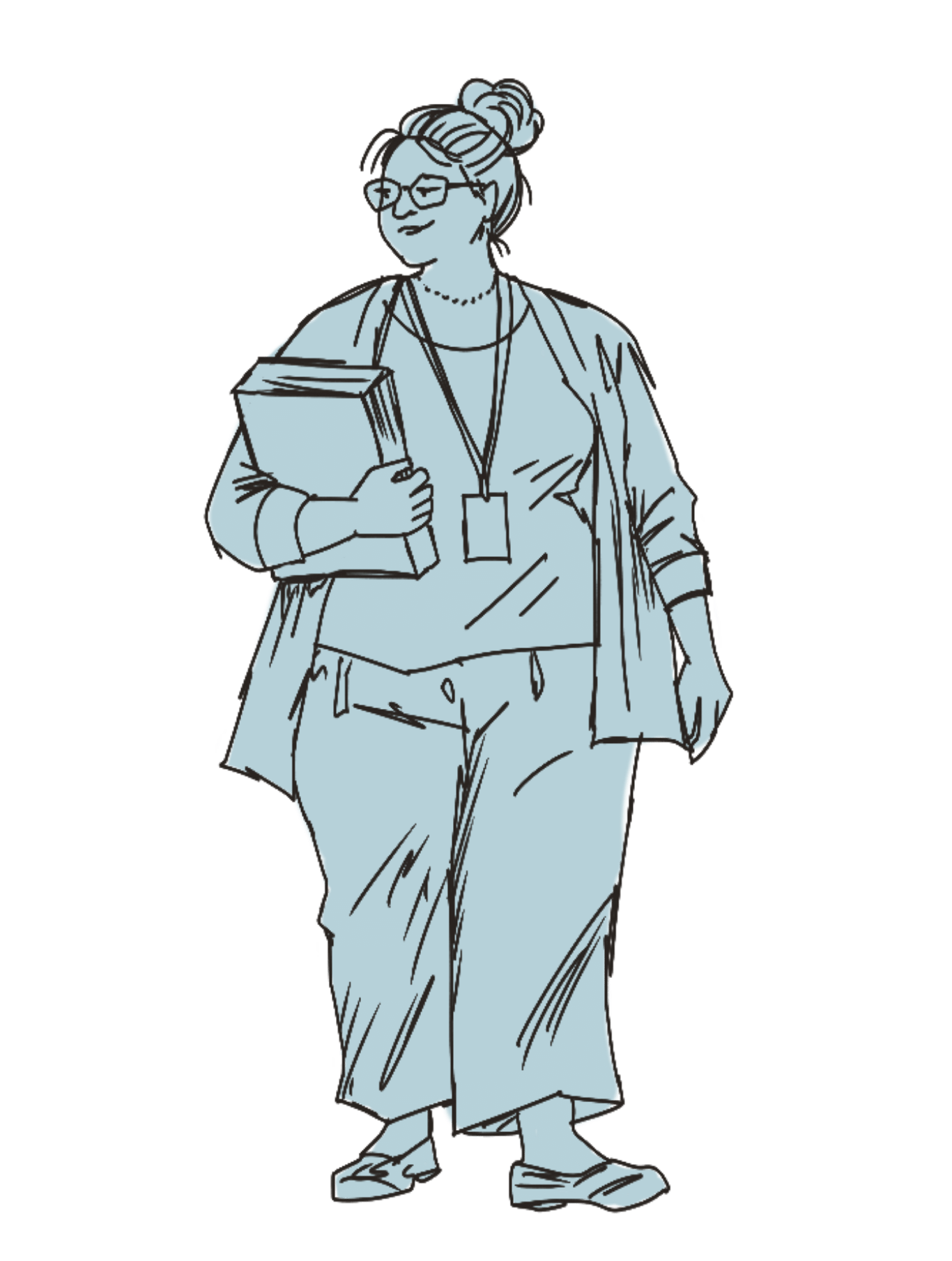
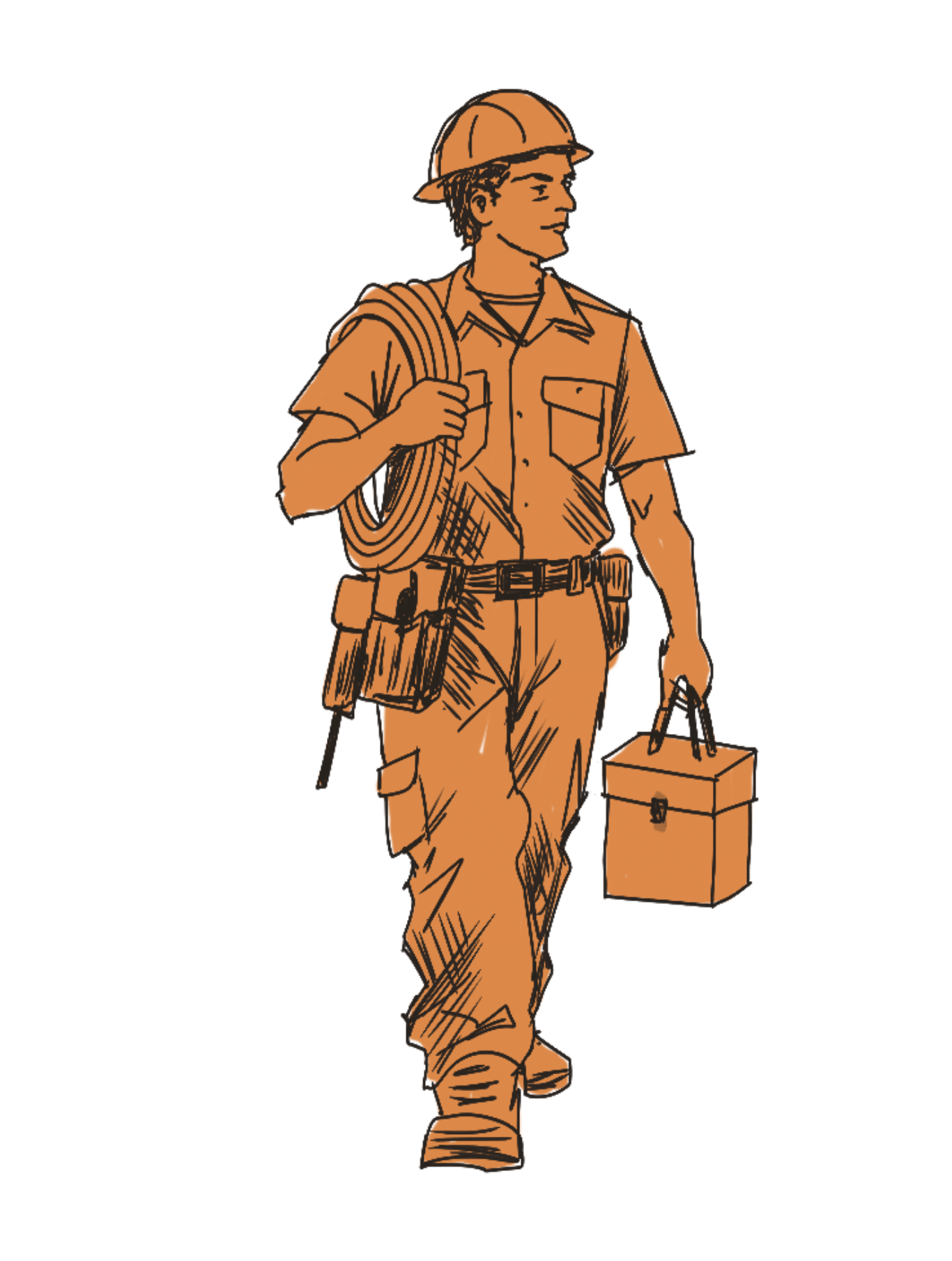
Business owners may lose government contracts or customers.
Bureaucrats fear being fired.
Journalists may lose privileged access to the administration.
Your values or faith may be mocked and exploited. (Source)
Authoritarian leaders break promises (such as: going to war after promising not to; refusing to release the Epstein files).
Authoritarian leaders ask you to tolerate or do things that you otherwise consider wrong (such as: mass surveillance of Americans, military occupation of American cities)
The Potential Costs of Courageous Activation
Authoritarians ask you to give up your critical thinking and be blindly loyal in order to be accepted.
Authoritarians ask you to cut social ties with people the regime dislikes (political opponents, minority groups).
You may have to break from what you used to think was morally right (such as: you always voted for one party - now you’re rethinking that).
You may be excluded from your social, political, or religious community.
Friends might abandon or judge you.
How can we more deeply activate pillars in our communities?
Each pillar represents a collection of identities that comprises a larger “us.” Our loyalties are often connected to powerful group identities and emotional attachments. People may fear being judged, losing relationships, or having nowhere else to belong if they act differently. Common Courage makes room for reflection, connection, questioning, and new pathways for action.
From a single church, to a denomination, to "faith" as a whole, the more people included in the "us" the more powerful the pillar. Too many internal divisions can weaken it. We all have multiple identities with associated social norms that show up in these pillars. Activating these other identities and norms can weaken the sense of “us” that binds people and “them” that divides us.
We don’t have to agree on everything to share Common Courage. People from different professions, communities, political perspectives, experiences, and motivations can work together to cultivate the courage they share.
STORIES